
By: Chloe Mills
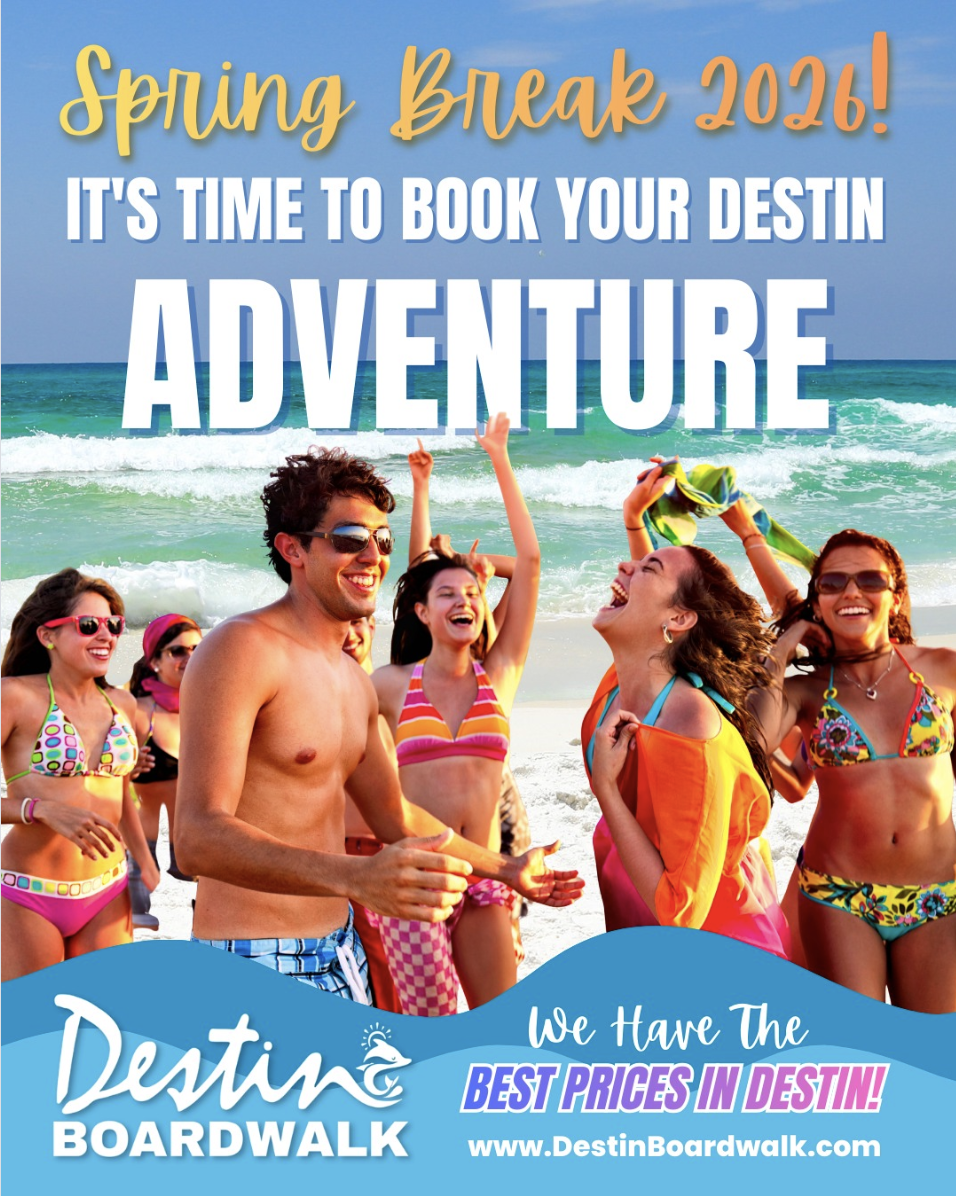
Spring break is one of college life’s most anticipated experiences, filled with sunny beaches, travel with friends, and unforgettable parties. Each year, ads on social media and travel sites showcase packed beaches and luxury resorts, promoting the “perfect” vacation. Driving these campaigns is a powerful strategy: FOMO-the fear of missing out. With eye-catching content and limited-time deals on Instagram and TikTok, advertisers convince students that spring break is essential. By making destinations like Miami Beach and Hawaii look universally popular, brands turn a simple trip into a social must-do. Leading to a top strategy in spring break marketing.
What FOMO Means in Advertising
FOMO is a powerful psychological concept advertisers use to persuade people to participate in experiences that seem universally enjoyed. When advertisements feature large groups of friends, tropical destinations, or exciting nightlife, viewers feel they might miss out on an important social experience. During spring break, brands tap into this mindset. They present vacations, parties, and travel opportunities as once-a-year experiences that every college student should have.
How Advertisements Portray the “Perfect” Spring Break
Many spring break ads highlight idealized experiences. Scenes of sunny beaches, pool parties, and groups of friends having fun together appear frequently. Travel companies and tourism boards also promote destinations such as Fort Lauderdale and Las Vegas with visuals of crowded beaches, music festivals, and nightlife. As these images create the impression that everyone is there, viewers feel encouraged to join. The trip begins to feel like a must-have experience, not just an optional vacation, thanks to the exciting, social environments these advertisements show.
Social Media and FOMO
If FOMO wasn’t already involved in advertising, social media has magnified its influence. Major platforms, including Instagram, TikTok, and Snapchat, now allow brands and influencers to post real-time content from spring break destinations. With short videos of beach parties, travel vlogs, and resort tours, viewers feel almost as if they are witnessing events live. This immediacy can increase the pressure: book trips, buy products, or visit specific destinations before the moment passes.
Why FOMO Works on College Students
College students form a major target audience for spring break advertising. Social experiences and group travel are often highly valued in this demographic. When students see their peers post about trips or respond to online ads, the idea that spring break is a shared cultural experience gains even more strength. Advertisers recognize this social pressure. By regarding themes of friendship, adventure, and memorable moments, campaigns become even more persuasive.
FOMO marketing is often effective for brands but can also strongly influence consumer behavior. Some students may feel compelled to spend money on trips, products, or events just to feel included. This pressure raises interesting questions about advertising’s role in shaping spring break expectations. Are brands simply promoting vacations, or selling the fear of missing out on the ultimate college experience?

 Because things get real, real fast.