By: Leah Pawlowski
Every year on April 1st, brands get a rare opportunity to do something they normally can’t: lie. Well… kind of.
April Fools’ Day has become a playground for advertisers, a day where creativity, humor, and unpredictability take center stage. Instead of polished campaigns focused on conversions and ROI, brands lean into absurdity, launching fake products, wild announcements, and over-the-top concepts that blur the line between marketing and entertainment.
Why April Fools’ Marketing Works
At its core, April Fools’ advertising is about attention. In a crowded digital space, humor and surprise are two of the fastest ways to stop someone mid-scroll.
These campaigns succeed because they:
- Break expectations – They disrupt the usual tone of advertising.
- Encourage sharing – People love being in on the joke.
- Humanize brands – Humor makes companies feel more relatable.
But what does this actually look like in practice?
Iconic April Fools’ Advertising Examples
Burger King’s “Chocolate Whopper”
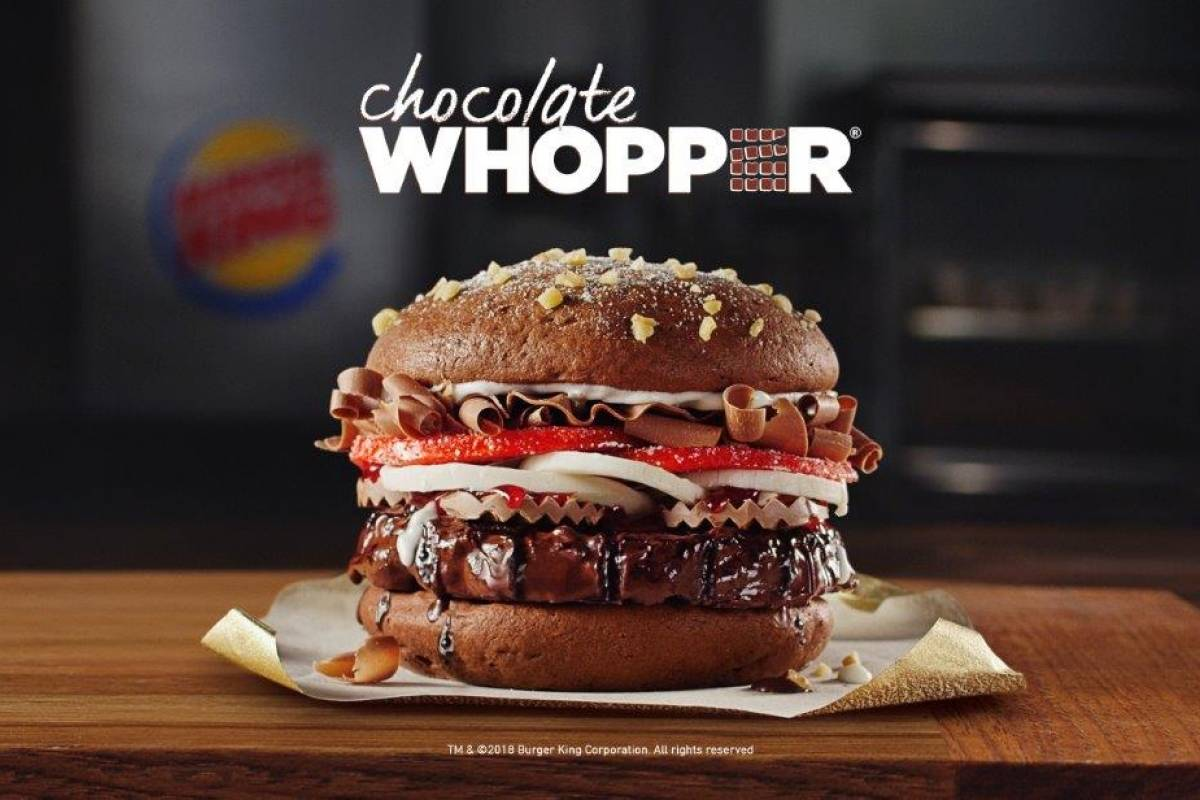
In 2018, Burger King introduced the “Chocolate Whopper,” a dessert version of their signature burger. The bun was chocolate cake, the patty was chocolate, and the toppings were replaced with sweet ingredients.
Why it worked:
It stayed true to Burger King’s product identity while pushing it to an extreme. It was just believable enough to make people pause—and funny enough to share.
Google’s “Google Nose”
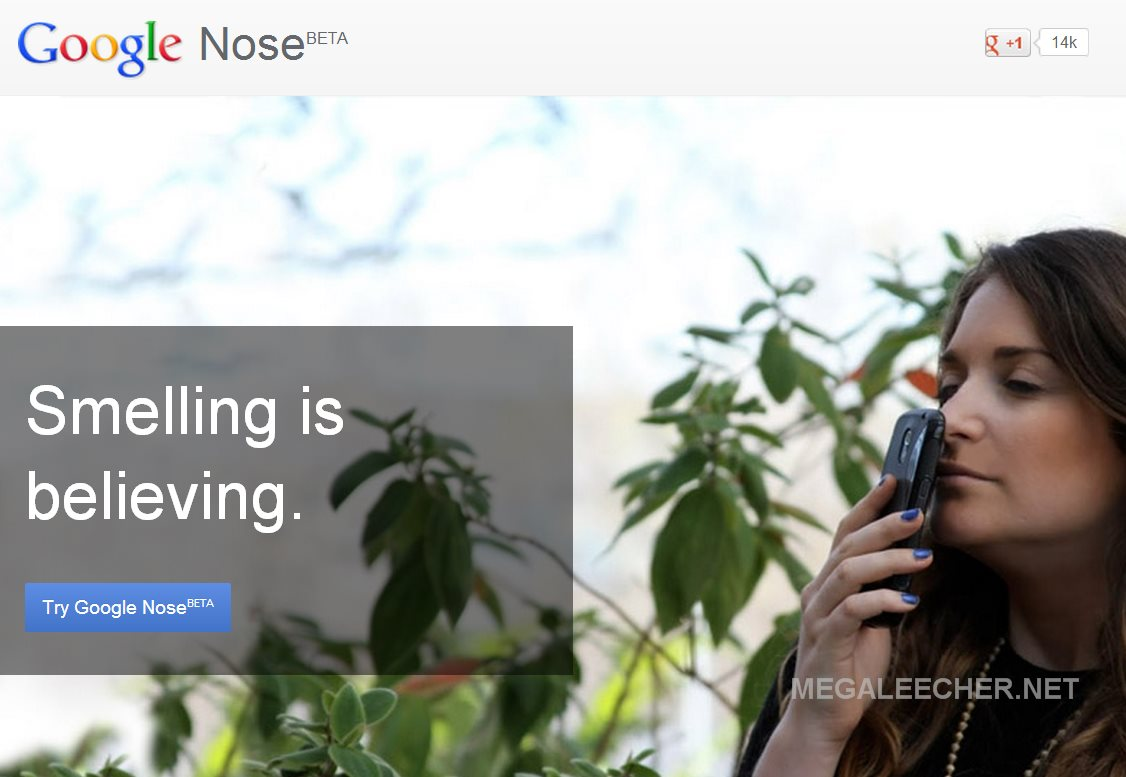
In 2013, Google “launched” Google Nose, a feature that allowed users to search and smell scents through their devices. The campaign included a full demo video and detailed explanations.
Why it worked:
Google is known for innovation, so the idea felt almost plausible. The high production quality made the joke even more convincing and engaging.
Final Thought
April 1st proves that advertising doesn’t always have to be serious to be effective. Some of the most memorable campaigns are the ones that make people laugh, share, and engage.
So as you scroll this April Fools’ Day, ask yourself:
Would I stop for this? Would I share it?
If the answer is yes, it’s not just a prank—it’s great advertising.
 Because things get real, real fast.