By Leah Pawlowski
The advertising world in 2025 is buzzing with bold campaigns that are not only grabbing attention but also sparking heated debates. Two campaigns in particular, e.l.f.’s collaboration with comedian Matt Rife and American Eagle’s “Great Jeans” campaign with actress Sydney Sweeney, have drawn both applause and criticism for how they approach creativity, humor, and cultural sensitivity.
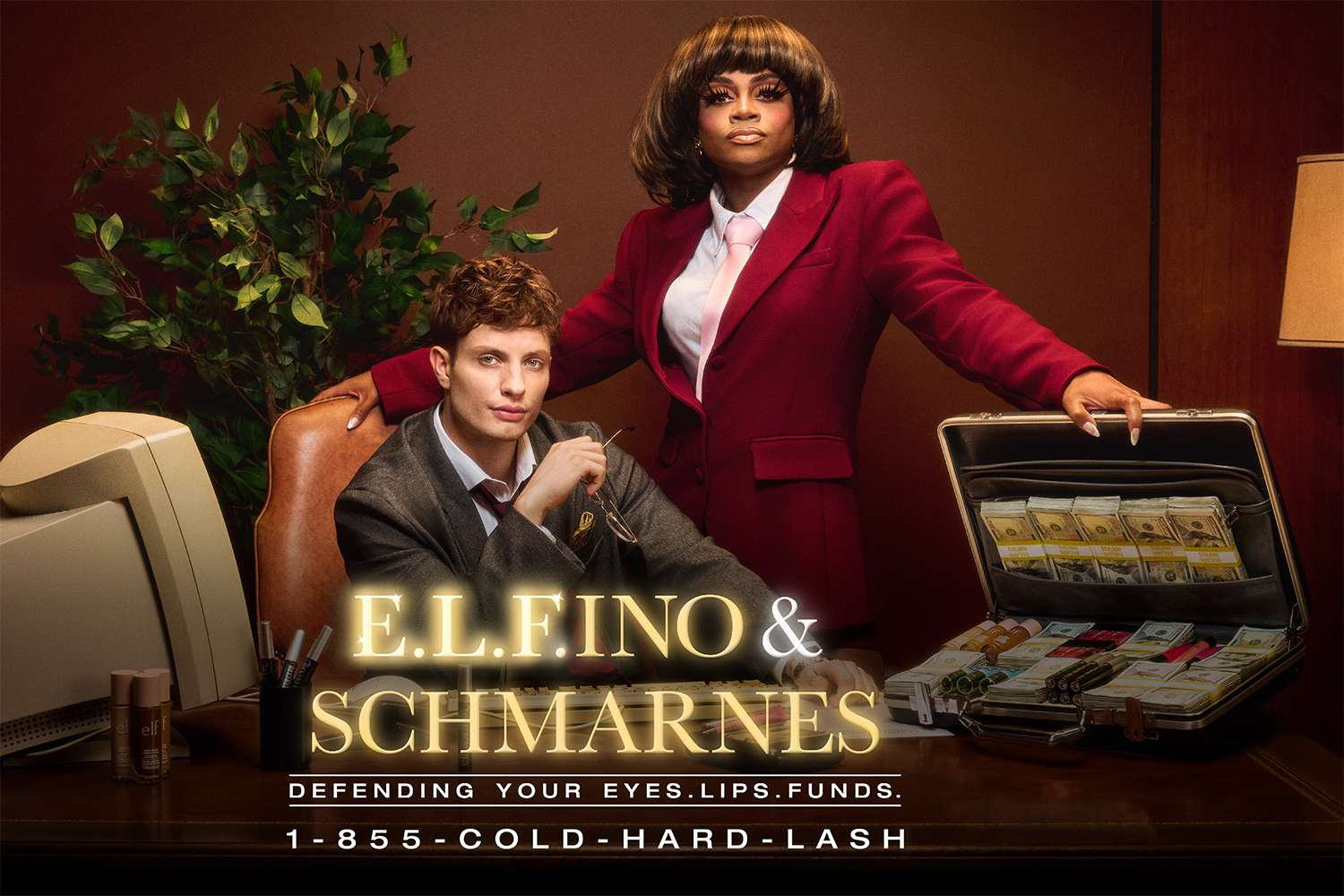

e.l.f. x Matt Rife: Humor Meets Backlash
e.l.f. Beauty’s decision to team up with comedian Matt Rife was meant to bring humor and relatability into the cosmetics space, using Rife’s rising fame and comedic style to connect with Gen Z and millennial consumers. While the campaign did succeed in generating massive engagement, with ads going viral across TikTok and Instagram, it also faced backlash.
Critics argue that e.l.f.’s partnership overlooked Rife’s history of controversial jokes, particularly those criticized as sexist or insensitive. Some consumers questioned whether a beauty brand known for inclusivity and empowerment should align itself with a comedian whose humor doesn’t always reflect those values. The mixed reaction highlights the risk of tapping into edgy comedy as a marketing tool: it can generate buzz, but it can also alienate audiences who expect a brand to live up to its stated values.
American Eagle’s “Great Jeans” Campaign: Wordplay Gone Wrong
American Eagle’s “Sydney Sweeney Has Great Jeans” campaign launched in July 2025 with the intent of using playful wordplay on “jeans” versus “genes.” But what was designed as cheeky humor quickly spiraled into controversy. Critics argued that the campaign’s references to “great genes” carried troubling eugenic undertones, sparking accusations of racism and sexism.
The debate intensified after consumers and cultural commentators pushed back online, questioning how such messaging cleared approval stages. Although American Eagle’s CEO, Jay Schottenstein, defended the ads as lighthearted and insisted the brand had no intent to offend, the fallout was noticeable. While some featured products sold out, overall store traffic fell by 9%, suggesting that the controversy damaged
Conclusion
Both e.l.f. and American Eagle demonstrate how easily advertising can cross into controversy in today’s cultural climate. e.l.f.’s use of a comedian with a divisive reputation generated conversation but raised questions about brand alignment with its values. American Eagle’s wordplay misstep shows how a seemingly clever creative decision can carry unintended connotations with serious reputational consequences.
In a world where campaigns are dissected in real time on social media, these examples underscore the balancing act brands face: bold ideas may drive attention, but miscalculations can just as quickly ignite backlash.
 Because things get real, real fast.